A satellite station with a long memory
The Neu Golm earth station was constructed during the 1970s for the GDR’s participation in the Intersputnik satellite communications network. It officially entered service in 1975 and remained in operation until 1996.
At the centre of the installation is a 12-metre TNA-57 parabolic antenna mounted on a cylindrical Orbita-2 operations building. The dish alone weighs approximately 40 tonnes. Neu Golm was the GDR’s only commercial satellite earth station and belongs to a small family of approximately 20 Orbita-2 installations built around the world.
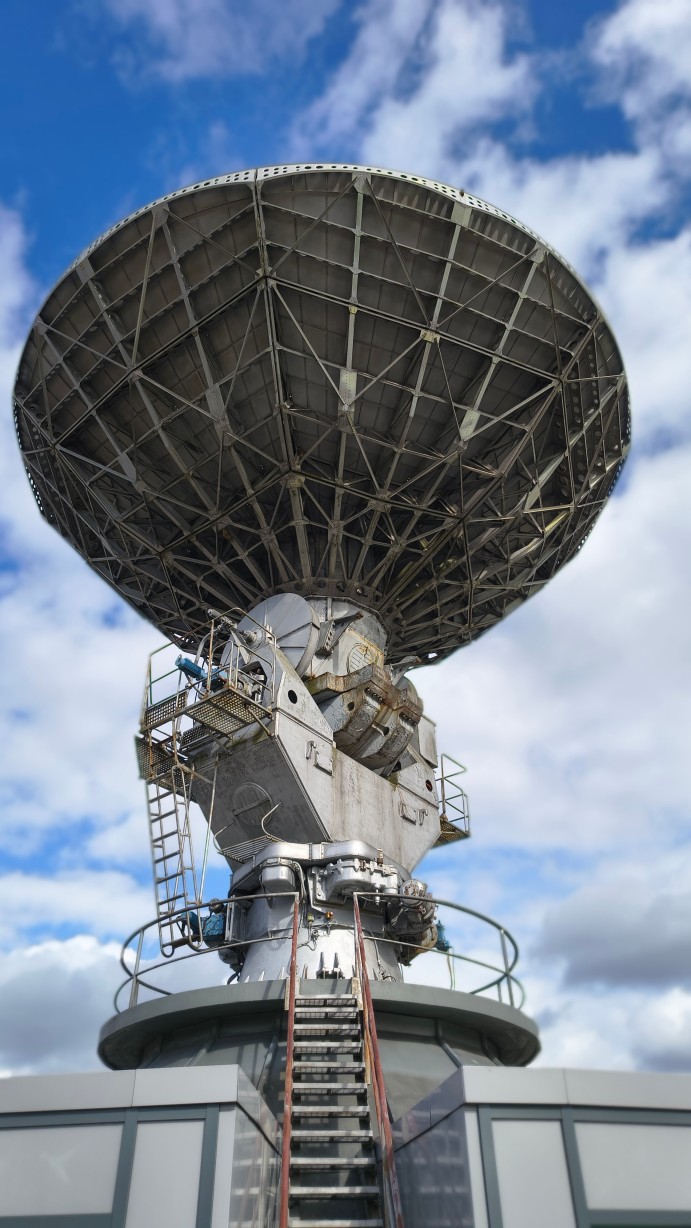
The station originally handled telephone connections, television transmissions and international programme exchanges. After German reunification, it was initially operated by Deutsche Bundespost and later Deutsche Telekom. The station finally closed in July 1996 as more communications traffic moved to fibre-optic networks and other earth stations.
Today, the installation stands on the premises of SENSYS Magnetometers & Survey Solutions. The company develops magnetometer-based systems for applications including unexploded-ordnance detection, archaeology and geophysical surveys.
The first visit: manual control still worked
During our first visit, we found that the antenna could still be moved manually with a joystick. The motors, brakes, limit switches and much of the original drive system were still operational.
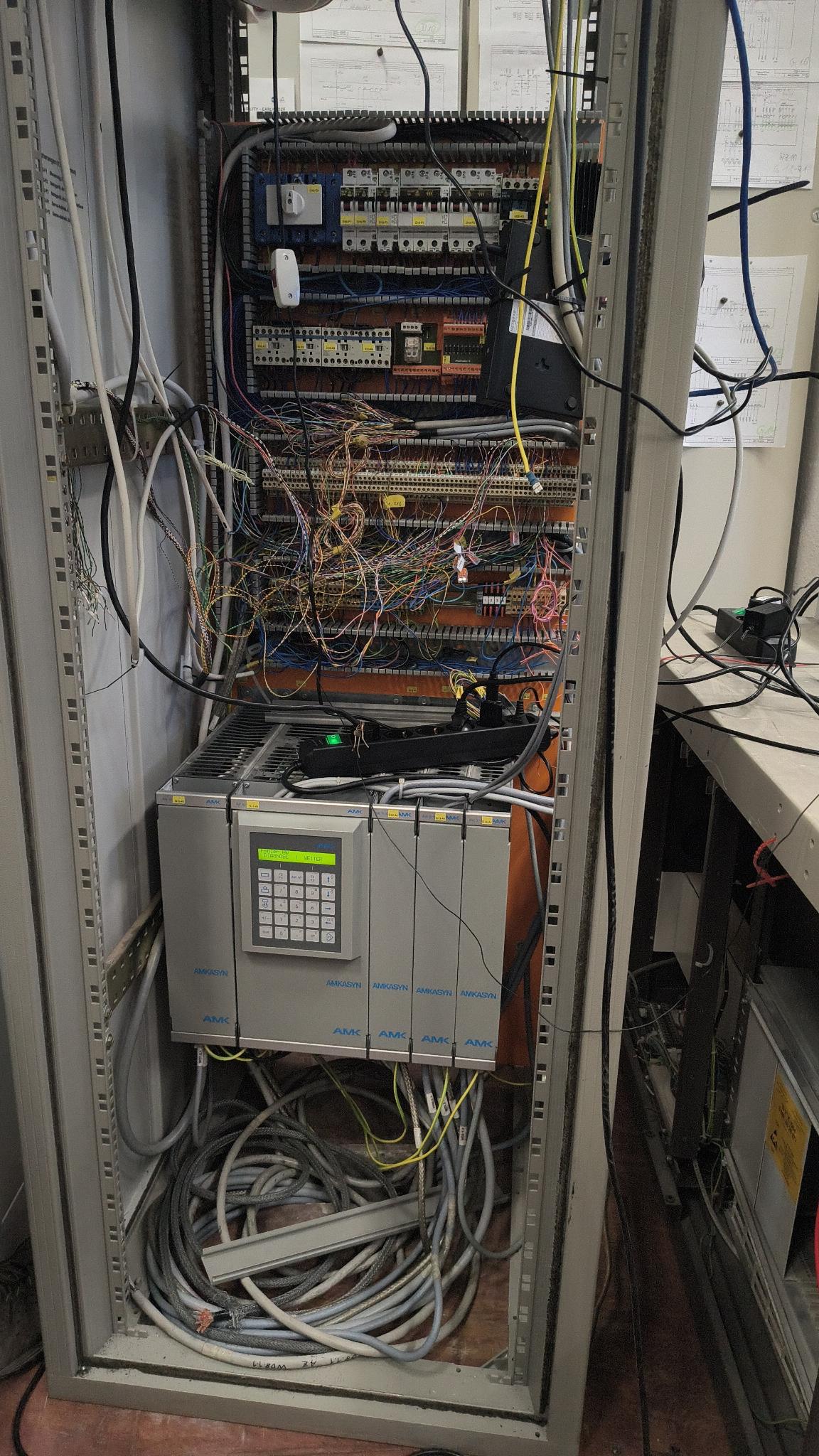
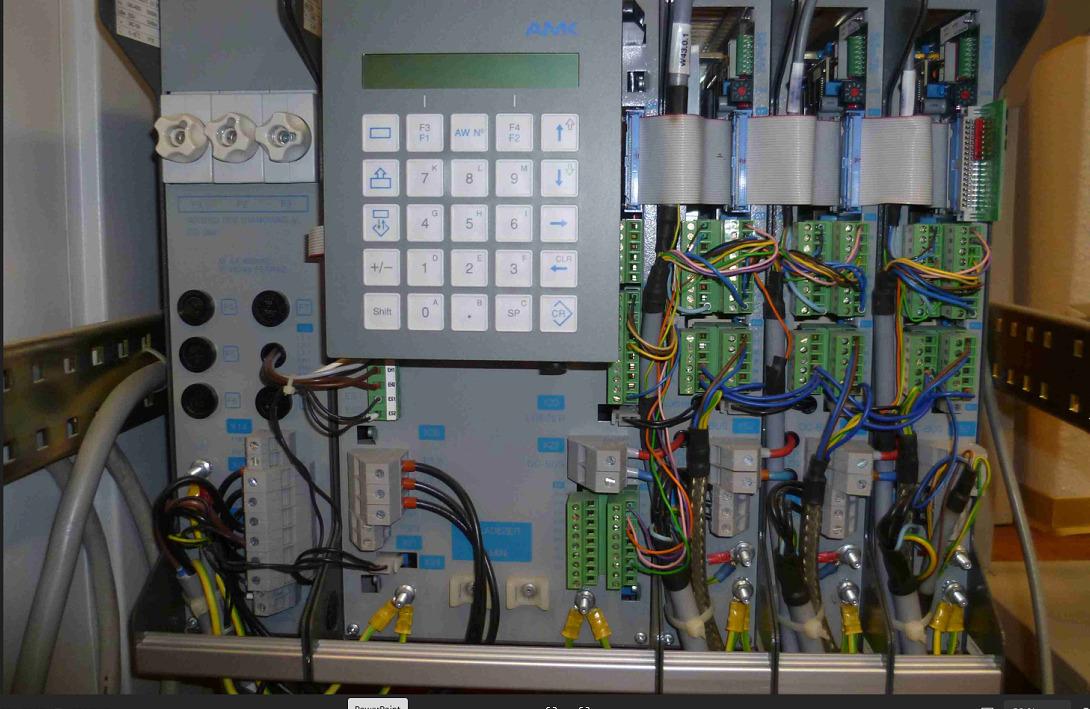
But manual movement was not enough for astronomical observations or satellite tracking. The antenna needed to follow a target continuously as its azimuth and elevation changed across the sky.
The original tracking computer was no longer available as a practical control solution. At the same time, the surviving AMK drive electronics could not simply be connected to the GPIO pins of a Raspberry Pi.
The system expected industrial 24-volt control signals, relay contacts, safety interlocks and bipolar analogue commands in the range of −10 to +10 volts. The Raspberry Pi therefore needed a carefully designed interface to the existing plant.